
10 Essential Tips for New Dog Owners in Bali: Vets, Food & Care
Just got a dog in Bali? From finding a good vet and choosing the right food to navigating Bali's unique challenges — everything a new dog owner in Bali needs to know.
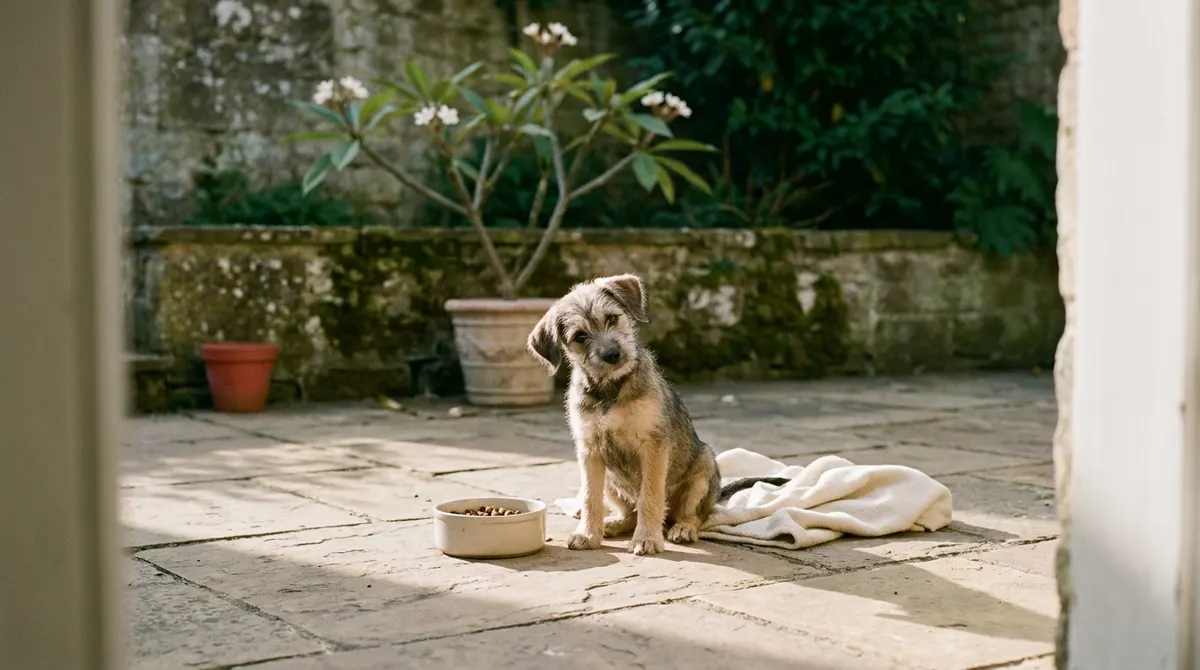
So you've just become a dog owner in Bali. Maybe you adopted a rescue from BAWA. Maybe you brought your dog with you from home. Maybe a Bali street dog decided you were their human. However it happened — welcome to dog parenthood on the Island of the Gods!
Owning a dog in Bali is wonderful — but it comes with unique challenges you won't find in a Western country. This guide walks you through the 10 most important things every new dog owner in Bali needs to know, from finding a trustworthy vet to navigating the rainy season.
1. Find a Good Vet — Before You Need One
This is tip #1 for a reason. Don't wait for an emergency to Google "vet near me". Find a vet, register your dog, and save their number in your phone now.
Your vet shortlist:
- Sunset Vet (Kuta) — 24/7 emergency. The go-to for serious cases. Full surgical suite, X-ray, blood work. Phone: +62 361 753 838
- Yo Pet Clinic (Kerobokan) — Daytime clinic, popular with Canggu expats. English-speaking. Good for routine care.
- Bali Vet Clinic (Denpasar) — 24 hours, handles complex cases.
Schedule a "wellness visit" within the first week. Get your dog checked, update vaccinations, and establish a baseline. Your vet will set up a vaccination schedule (rabies is mandatory in Bali) and discuss parasite prevention — ticks, fleas, and heartworm are all present on the island.
2. Vaccinate Against Rabies — It's the Law
Bali is a rabies-endemic area. Rabies vaccination is legally required for all dogs in Bali. This is not optional — it's a matter of your dog's safety, your safety, and public health.
Puppies get their first rabies shot at 12-16 weeks, then annual boosters. Keep the vaccination certificate — boarding facilities, some groomers, and even some landlords will ask to see it. If your dog bites someone (even playfully), that certificate proves vaccination status and prevents your dog from being quarantined.
3. Choose the Right Food for Bali's Climate
Bali's heat and humidity affect how you store and serve dog food:
- Dry kibble — Store in an airtight container. Humidity turns kibble stale fast. Buy smaller bags more frequently rather than bulk bags that sit open for months.
- Wet food — Refrigerate after opening. Don't leave wet food out for more than 30 minutes — it spoils fast in the heat.
- Raw food — Freeze immediately. Thaw in the fridge, not on the counter. Bali's warmth accelerates bacterial growth.
- Fresh water — Change water at least twice a day. In the heat, water bowls grow algae and collect dust quickly. Consider a ceramic or stainless steel bowl — plastic harbors bacteria in humidity.
Where to buy: Bali Pet Shop (Canggu, Seminyak, Denpasar), Pet Kingdom (Sunset Road), Paw Day (Canggu), and online via Tokopedia/Shopee. Imported brands like Royal Canin and Pro Plan are widely available. Local brands like PawPaw and BaliDog are good alternatives.
4. Protect Against Ticks, Fleas & Heartworm
Bali's tropical climate is paradise for parasites. Monthly preventatives are standard:
- Tick & flea prevention: NexGard, Simparica, Bravecto (chewable tablets) or Revolution (topical). Given monthly.
- Heartworm prevention: Included in some combination products. Heartworm is transmitted by mosquitoes and is present in Bali. Treatment is expensive and hard on your dog — prevention is far easier.
- Intestinal worms: Deworm every 3-6 months. More often for puppies and dogs who scavenge.
After walks in long grass or rice fields, do a quick tick check — run your hands over your dog's ears, neck, armpits, and between toes. Remove any ticks immediately with tweezers (grab the head, pull straight out).
5. Beat the Heat — Walk Early or Late
Bali's midday sun is brutal. The rule: if the pavement is too hot for your bare hand (5 seconds), it's too hot for your dog's paws. Walk in the early morning (6-8am) or late afternoon (4-6pm). Midday walks are for shaded rice field paths only — never on asphalt or sand at noon.
Heatstroke warning signs: excessive panting, thick drool, bright red or very pale gums, wobbliness, vomiting, collapse. Act immediately: move your dog to shade, apply cool (not ice-cold) water to paws/chest/belly, offer small sips of water, and get to a vet. Heatstroke kills dogs fast.
Breeds that struggle with Bali's heat: French Bulldogs, English Bulldogs, Pugs, Boston Terriers, and other brachycephalic (flat-faced) breeds overheat dangerously fast. These dogs need extra caution — short walks only, always in the coolest part of the day, never off-leash where they might over-exert.
6. Socialize Your Dog — Carefully
Bali has a large population of free-roaming dogs. Most are owned (community dogs) rather than truly stray, but they can be territorial. When walking your dog:
- Stay calm — Your dog reads your energy. If you tense up when you see another dog, your dog tenses up too.
- Give space — Cross the street or step aside if an unfamiliar dog is approaching. Not every dog wants to meet your dog.
- Carry a stick or umbrella — Not to hit dogs, but to create a barrier if an aggressive dog approaches. Opening an umbrella can startle and deter a charging dog.
- Leash your dog — Even the friendliest dog can trigger a fight if they run up to a territorial dog. Control the interaction.
Socialization opportunities: Berawa Beach in the early morning (unofficial dog meetup), organized dog meetups via Facebook groups (Canggu Community, Bali Expats), and supervised playdates with dogs you know are friendly.
7. Know the Local Hazards
Bali has a few unique hazards that new dog owners should be aware of:
- Puffer fish (buntal) — Washed up on beaches, especially after storms. Extremely toxic. Dogs who eat even a small amount can die within hours. Keep your dog from scavenging on the beach.
- Cane toads (kodok) — Common in gardens during rainy season. Their skin secretions are toxic. If your dog mouths a toad, they'll foam at the mouth, paw at their face, and may vomit. Wipe their mouth with a wet cloth (side to side, not back-to-front) and call your vet.
- Sago palms (cycads) — Ornamental plants common in Bali gardens. ALL parts are toxic to dogs — seeds are especially deadly. Identify and remove them if you have a garden.
- Chocolate & xylitol — Same toxicity as anywhere, but worth mentioning: keep baked goods, energy bars, and sugar-free gum away from dogs.
- Ceremony offerings (canang sari) — The small palm-leaf baskets placed on sidewalks and in front of shops. They often contain rice, flowers, incense, and sometimes food items. Train your dog to leave them alone — respecting these offerings is important culturally, and some contain ingredients that upset dog stomachs.
8. Prepare for Rainy Season (November-March)
Bali's rainy season changes the dog ownership experience significantly:
- Shorter walks — Torrential downpours can appear in minutes. Get your walks in early — rain is least likely in the morning, most likely in the afternoon and evening.
- Dry your dog thoroughly — Damp fur in humidity = hot spots, fungal infections, and skin issues. Towel dry after rain walks. Pay special attention to ears, armpits, and paw folds.
- Mud management — Rice field paths become impassable mud pits. Stick to paved routes during the wet months. Keep a towel by the door.
- More indoor enrichment — Puzzle toys, snuffle mats, hide-and-seek, indoor training sessions. Mental stimulation tires a dog as much as physical exercise.
- Flea prevention is extra important — Fleas thrive in humidity. Don't skip the monthly preventative during rainy season.
9. Build a Support Network
You can't do it all alone. Every dog owner needs backup:
- A trusted dog walker — For long workdays, travel, or when you're sick. A professional walker knows safe routes and gives your dog proper exercise.
- A pet sitter — For travel. Someone who'll stay at your home or do drop-in visits. Book well in advance during peak seasons (Christmas, Nyepi, July-August).
- A vet relationship — See tip #1. Regular vet visits catch problems early.
- Dog-owning friends — Trade dog-sitting favors, share tips, arrange playdates. Facebook groups (Canggu Community, Bali Dog Owners) are great for connecting.
10. Know When to Ask for Help
Some situations need professional intervention. Don't wait until a problem is severe:
- Behavior issues — Reactivity, aggression, separation anxiety, excessive barking. A good trainer using positive reinforcement can transform these. The longer you wait, the harder they are to fix.
- Health concerns — Lethargy, appetite loss, vomiting, diarrhea, limping, skin issues. Dogs hide pain instinctively — by the time they show symptoms, the problem is already underway.
- Training uncertainty — "I don't know how to teach my dog to..." — That's exactly what a trainer is for. You're not supposed to know everything. Asking for help is responsible ownership.
A Quick Checklist for Your First Month
- Register with a vet + get vaccinations current
- Start monthly parasite prevention (ticks, fleas, heartworm)
- Buy quality food + airtight storage container
- Get a sturdy leash, comfortable harness, and ID tag with your phone number
- Find your nearest emergency vet + save their number
- Dog-proof your villa: remove toxic plants, secure trash, check fence gaps
- Find a dog walker or sitter you trust (before you need them)
- Join a local dog owner Facebook group
- Learn the signs of heatstroke
- Figure out your dog's ideal walking schedule (early morning + late afternoon)
Owning a dog in Bali is one of life's great joys. The beach walks, the cafe culture, the year-round outdoor lifestyle — your dog gets to live in paradise. A little preparation goes a long way toward keeping them happy, healthy, and safe.
Need help getting started? Message me on WhatsApp — I'm happy to recommend vets, food, and walkers in your area. And if you need a professional dog walker or sitter while you settle into dog parenthood, I can help with that.